

Best Hockey Stick for Wrist Shots: 2026 Buyer's Guide
Table of Contents
- How to Choose the Best Hockey Stick for Wrist Shots
- Quick Comparison: Epix Wrist Shot Sticks
- Hockey Stick Kick Point Explained
- The Physics of the Wrist Shot: Loading the Shaft
- DARKMATTER: The Low-Kick Option for Quick Release
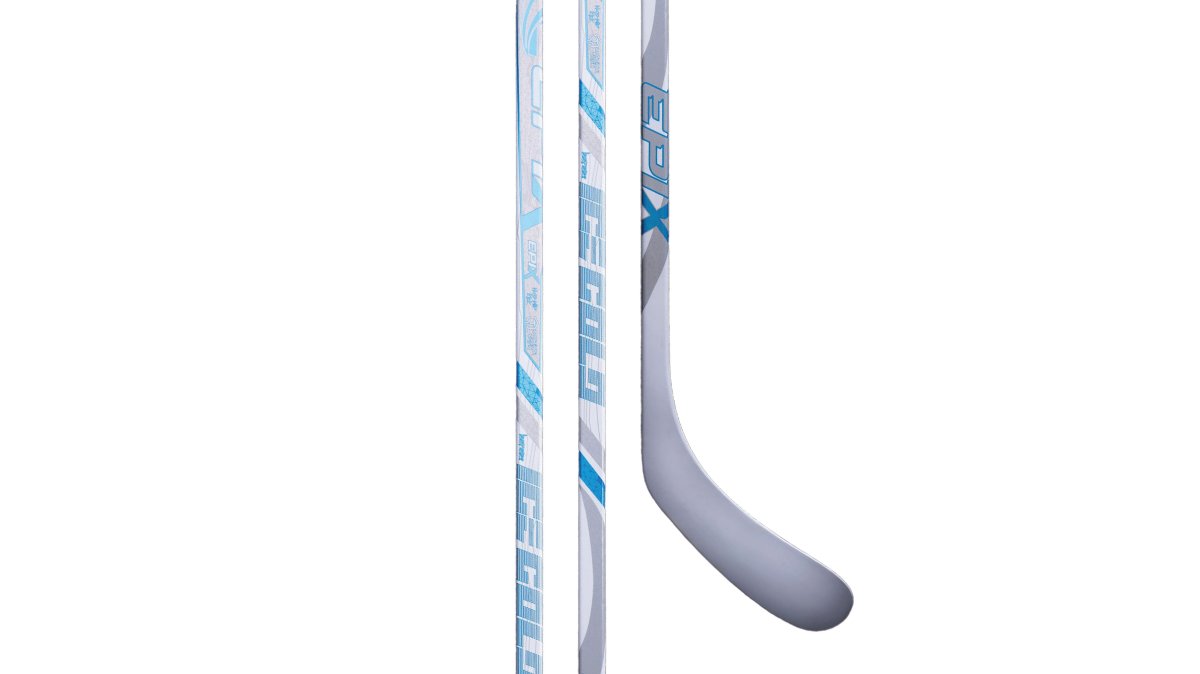
- ICECOLD and BLACK ICE: Mid and Hybrid Kick for Balanced Accuracy
- Best Blade Pattern for Wrist Shots
- How to Improve Wrist Shot Release Speed
- Customization, Taping, and Budget-Friendly Performance
- Frequently Asked Questions
Last Updated: September 13, 2026
How to Choose the Best Hockey Stick for Wrist Shots
Finding the best hockey stick for wrist shots comes down to matching the stick's kick point to how you load the shaft. A low-kick profile releases fastest for quick wristers and snap shots, a mid-kick profile rewards players who lean into the shot, and a hybrid splits the difference. This guide breaks down the mechanics, materials, and models that fit each shooting style.
Most players buy a stick based on brand name or price tag, then wonder why their release feels sluggish. The problem is almost never the player; it is a mismatch between the stick's flex profile and how that player transfers energy into the puck.
Below, we cover kick point science, the physics of loading the shaft, blade pattern selection, and how to improve release speed without changing your mechanics.
Quick Comparison: Epix Wrist Shot Sticks
The fastest way to narrow your options is to match the kick profile to your shooting motion. Here is how the Epix wrist shot lineup stacks up.
| Model | Kick Profile | Length / Weight | Best For | Price |
|---|---|---|---|---|
| DARKMATTER Senior | LightSpeed Low | 67" / 350 g | Quick release, snap shots, one-timers | $249.99 |
| ICECOLD (WHITE) Senior | Neo-Mid | 67" / 350 g | Balanced accuracy, controlled power | $249.99 |
| BLACK ICE (BLACK) Senior | Synth Kick (Hybrid) | 67" / 350 g | Players who vary their shooting motion | $249.99 |
| DARKMATTER Intermediate | LightSpeed Low | 62" / 315 g | Developing players wanting fast release | $229.99 |
| ICECOLD (WHITE) Intermediate | Neo-Mid | 62" / 315 g | Intermediate accuracy focus | $229.99 |
| BLACK ICE Intermediate | Synth Kick (Hybrid) | 62" / 335 g | Versatile intermediate shooters | $229.99 |
| DARKMATTER Junior | LightSpeed Low | 53" / 285 g | Youth players building shot mechanics | $199.99 |
| ICECOLD (WHITE) Junior | Neo-Mid | 52" / 285 g | Youth accuracy and puck feel | $199.99 |
| BLACK ICE Junior | Synth Kick (Hybrid) | 52" / 285 g | Youth players still developing style | $199.99 |
| Custom BlkIce | Your choice | Your specs | Fully personalized build | $269.99 |
Hockey Stick Kick Point Explained
A hockey stick kick point is the spot along the shaft where the stick flexes and stores energy before releasing it into the puck. Where that flex point sits determines how quickly the stick loads and how fast the puck leaves the blade.


Think of the shaft as a spring. When you push down and pull back during a wrist shot, the shaft bends. That bend location controls how much energy you store and how fast it returns.
A stick that flexes low near the blade loads with little effort, suiting quick shots in traffic. A mid-flex stick needs more deliberate loading but delivers more controlled power. Neither is better; they suit different players.
Low-Kick, Mid-Kick, and Hybrid Profiles
Low-kick sticks flex near the bottom of the shaft, roughly 10 to 12 inches above the blade. They load fast with minimal wind-up, ideal for wrist shots in tight spaces and snap shots off the rush. The tradeoff: they can feel whippy on full slap shots.
Mid-kick sticks flex through the middle of the shaft. They need a longer, more deliberate loading motion, pairing well with players who take bigger wrist shots with full weight transfer. Accuracy feels more consistent because the release point is more predictable.
Hybrid-kick sticks adapt across the shaft. The Epix Synth Kick profile loads low, mid, or high depending on how you initiate the shot, so one stick covers multiple shooting motions. For players whose style changes shift to shift, this removes the guesswork.
The Physics of the Wrist Shot: Loading the Shaft
Loading the shaft means bending the stick during your shot so it stores elastic energy, then releasing that energy into the puck at contact. The more efficiently you load and release, the faster the puck travels.
Here is what actually happens during a wrist shot, step by step:
- Weight transfer. Your weight shifts from your back foot to your front foot, driving force down through your bottom hand.
- Shaft deflection. The stick bows downward as your top hand pulls back and your bottom hand pushes forward.
- Energy storage. Carbon fibers in the shaft stretch and compress, storing the energy from your weight transfer.
- Release. As the puck rolls from heel to toe of the blade, the shaft snaps back to its original shape, transferring stored energy into the puck.
- Follow-through. Your top hand rotates over, and the blade closes to direct the puck toward the target.
Two variables decide how much energy reaches the puck: how well the flex rating matches your body weight and strength, and how quickly the shaft returns to shape. Too slow wastes energy; too fast feels harsh and hurts accuracy.
DARKMATTER: The Low-Kick Option for Quick Release
DARKMATTER is the Epix low-kick stick, built on the LightSpeed Low profile that loads instantly at the bottom of the shaft. If your game is about getting the puck off your blade before a defender closes the gap, start here.
The construction uses Bladerunner CRBN and Boron24x Fibres with a titanium-infused carbon layup. Titanium adds stiffness without the weight penalty and helps the shaft return to shape faster after loading. The senior model is 67 inches, with a C-shape taper.
It shines on snap shots off the rush, wrist shots from the slot, and one-timers with no time to wind up. It is less suited to players taking heavy slap shots from the point who want a stiffer mid-section response.
DARKMATTER availability by size:
- DARKMATTER Senior: 67", LightSpeed Low, full-length tack grip
- DARKMATTER Intermediate: 62", LightSpeed Low
- DARKMATTER Junior: 53", LightSpeed Low
ICECOLD and BLACK ICE: Mid and Hybrid Kick for Balanced Accuracy
ICECOLD runs the Neo-Mid Kick profile, loading progressively through the mid-shaft for a balanced, accurate release with strong puck feel. Players who prioritize hitting corners over pure release speed prefer it, because the mid-shaft load produces a more repeatable release point.
The senior ICECOLD is 67 inches, but uses a D-shape taper rather than DARKMATTER's C-shape. That geometry changes how the shaft feels in your bottom hand, with a slightly more rounded lower section.
BLACK ICE uses the Synth Kick profile, a hybrid design that loads low, mid, or high depending on how you initiate the shot. For players who take wrist shots, snap shots, and the occasional slap shot in the same game, one stick covers all three.
Best Blade Pattern for Wrist Shots
The best blade pattern for wrist shots is a mid-curve with a slight open face, typically in the P92 or equivalent family. It gives you a predictable release point, enough curve to lift the puck quickly, and enough control to stay accurate under pressure.
Blade pattern and kick point work together more than most players realize. A low-kick shaft with a mid-curve blade produces a fast, high-arcing release; the same shaft with a toe curve and open face gives a quicker but less predictable release for shooters who rely on deception.
Here is how the main pattern families behave on wrist shots:
- Mid-curve, slightly open: The most versatile option. Good for wrist shots, snap shots, and backhands. Best for players who shoot from a variety of angles.
- Toe curve, open face: Faster release off the toe, better for quick snap shots and shooting in tight. Less control on long-range wristers.
- Heel curve, closed face: More accurate on full wrist shots with a longer wind-up. Suits players who take deliberate, powerful shots from the perimeter.
Match your pattern to where you shoot from. Slot players benefit from a mid-curve. Perimeter shooters and point players often do better with a heel curve.
How to Improve Wrist Shot Release Speed
Release speed comes from three places: shaft loading efficiency, grip pressure timing, and wrist snap through the release point. Improving any one shows up on the ice within a few sessions.
Start with the shaft. If your flex rating is too stiff, you cannot load the stick, so no technique will produce a fast release. A general starting point is a flex rating roughly half your body weight in pounds, though stronger players and those with longer reaches often go stiffer.
Next, work on the loading motion. A common mistake is starting with the puck already at the heel. Instead, start near the middle of the blade, pull it back toward the heel as you load, then roll it forward through the toe on release. That extra travel gives the shaft more time to load.
Finally, tighten your top hand only at release: loose through the backswing, tight at the snap. That timing change alone adds noticeable speed for players who currently grip hard throughout the shot.
Customization, Taping, and Budget-Friendly Performance
Customization matters most when your body size, reach, or shooting style falls outside standard spec ranges. The Epix Custom BlkIce build lets you specify curve, flex, height, kick point, grip, graphics, weight, shaft shape, and namebar. Junior flexes range from 20 to 50, intermediate from 50 to 65, and senior from 65 to 120.
Taping is the cheapest performance upgrade available. A standard heel-to-toe job with slight overlap gives consistent puck feel; some players tape only the blade and leave the shaft bare for a lighter bottom hand. There is no single correct answer; consistency matters more than the pattern.
On budget: the junior and intermediate models in the DARKMATTER, ICECOLD, and BLACK ICE families use the same core construction as the senior versions, so younger players and developing adults get the same aerospace-grade carbon fiber and Elite Fusion Matrix material at lower price points. For a player still growing, the intermediate tier is usually the smarter spend.

If you want to see the full range of flex, curve, and kick point combinations before ordering, the Epix Hockey custom stick builder walks through each specification. For general guidance on how stick flex relates to player size and strength, Hockey Canada's equipment resources publish recommendations for age and division levels.
Choosing the right stick for wrist shots is less about brand loyalty and more about matching a kick profile to how you actually load the shaft. Get that match right, and your release gets faster without a single change to your mechanics.
Epix Hockey builds every stick around that principle. DARKMATTER uses the LightSpeed Low kick profile for instant loading and rapid energy transfer. ICECOLD runs the Neo-Mid profile for balanced accuracy and consistent puck feel. BLACK ICE uses the Synth Kick hybrid profile so one stick adapts to every shooting motion. All three share aerospace-grade carbon fiber construction, the Elite Fusion Matrix material, and the Bladerunner CRBN and Boron24x Fibres layup, with customizable specs and third-party validated performance testing behind each build.
Get started with Epix Hockey and find the kick profile that matches your shot.
Frequently Asked Questions
What kick point is best for a quick wrist shot?
A low kick point sits near the bottom of the shaft, so the stick loads instantly when you pull the puck in and snap it forward. That fast loading window suits quick wrist shots and snap shots where you do not have time to lean into the shot. Mid and hybrid kick points need more load time but return more force on full wrist shots with longer wind-ups.
How does blade curve affect wrist shot accuracy?
The curve controls how the puck rolls off the blade as you release. A moderate mid-curve with a closed toe keeps the puck flat and predictable for wrist shots, while extreme toe curves add lift but reduce control. Match the curve to your release style: quick, compact releases pair well with mid curves, and heavy wrist shots benefit from a slightly open face.
Is a low kick point always better for wrist shots?
Not always. Low kick points shine on quick releases where the puck leaves your blade fast. If you take heavier wrist shots with a longer pull and more body weight behind them, a mid or hybrid kick point returns more energy through the shot. Test both profiles in practice before committing to a full season.
How do I know what flex to order without holding the stick first?
Start with the standard rule: half your body weight in pounds, rounded down to the nearest five. If your wrist shots feel weak, drop five to ten flex points. If the stick feels whippy on hard shots, go up five. Custom options let you dial in exact flex numbers, and most players land on their ideal flex after one or two adjustments.
Does carbon fiber construction actually improve release speed?
Carbon fiber layup determines how the shaft stores and returns energy. Higher-grade carbon with tighter resin bonding returns more of the load you put in, which translates to a faster puck release. Titanium-infused carbon constructions add stability without adding much weight, keeping the shaft light while resisting the twisting that costs accuracy on off-center shots.